Choosing the right Electric Enduro Bike can feel harder than choosing a trail. Global buyers face different terrain, climates, service networks, and riding expectations. A bike that feels powerful in the Alps may feel excessive on dry Australian singletrack. Battery size also changes the experience. More capacity adds range, but it usually adds weight.
Chris Nolte, founder of Propel Electric Bikes, has often stressed a practical principle: “The best e-bike is the one that fits your riding.” That advice matters for enduro riders. Motor strength, suspension travel, frame geometry, and battery access should match real routes. A 170 mm fork may look impressive, yet it can feel unnecessary during long climbs. A lighter frame may climb more naturally, but it can demand greater rider effort.
This guide compares leading Electric Enduro Bike options for buyers across different regions. It examines motor response, usable range, suspension control, braking power, service support, and everyday durability. Small details matter. A secure charging port helps after muddy rides. Replaceable derailleur hangers can reduce repair delays. Strong brakes inspire confidence on wet descents.
No ranking is perfect. Rider weight, skill, weather, and local support can change the result. That is worth admitting. Specifications alone cannot predict trail feel. We will therefore consider both laboratory figures and practical riding conditions. The goal is not to name one universal winner. It is to help each buyer find a dependable machine for demanding, legal, and enjoyable off-road riding.
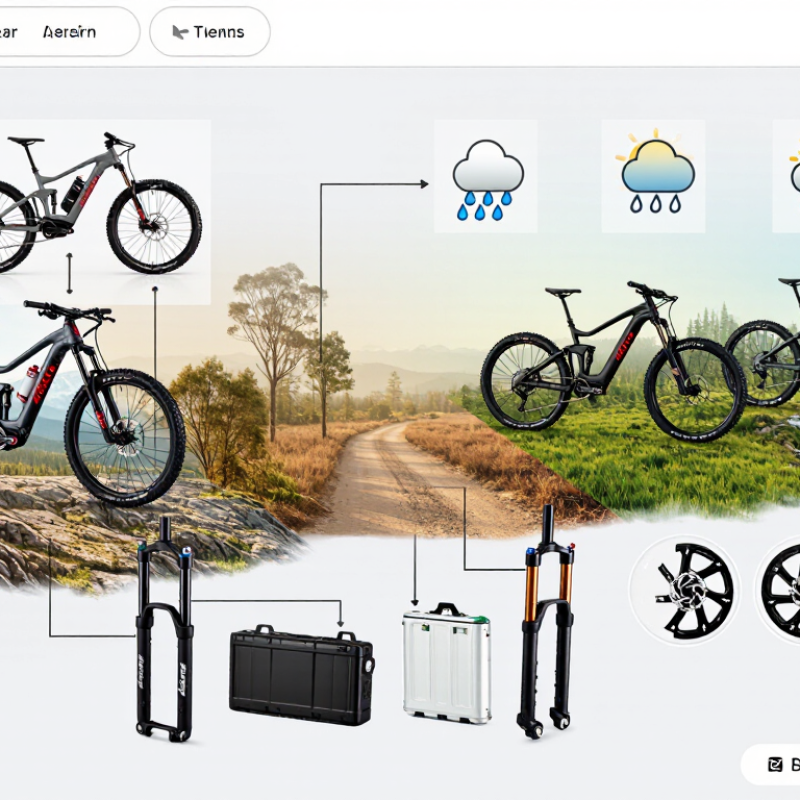
An electric enduro bike is not simply a mountain bike with a motor. It combines long-travel suspension, strong braking, stable geometry, and controlled electrical assistance. Its design must handle steep climbs, loose rocks, sudden drops, and repeated impacts. A mid-drive motor is common because it centralizes weight and improves climbing traction. Torque matters, but smooth delivery matters more.
Battery capacity also defines the riding experience. The International Energy Agency’s Global EV Outlook 2024 reports a 14% fall in average lithium-ion battery-pack prices during 2023. That trend supports larger batteries, but extra capacity adds weight. A 600–750 Wh battery may provide several hours of mixed trail riding. Actual range changes with rider weight, tire pressure, temperature, elevation, and assistance level. Perfect range figures are impossible.
Professional evaluation should measure suspension control, thermal stability, water resistance, and battery protection. The U.S. Department of Energy’s battery technology brief identifies energy density as a continuing engineering priority, not a finished problem. That matters on enduro trails, where every kilogram affects cornering and braking. In practical testing, a lighter bike can feel faster than a more powerful one. I still find this easy to overlook. A reliable model should also offer replaceable wear parts, clear service documentation, and predictable controls. Performance is only useful when the rider can trust it.
Top electric enduro bikes must match the terrain, not just the specification sheet. For rocky forest trails, prioritize long-travel suspension, strong hydraulic brakes, and a protected motor casing. A wide-ratio drivetrain helps when climbing loose, wet slopes. Tire sidewalls matter too. Thin casings can fail far from support.
For desert routes, battery temperature management becomes critical. Heat reduces range and may limit power output during repeated climbs. The IEA Global EV Outlook 2024 identifies electric two-wheelers as one of the largest electrified vehicle segments worldwide, but range figures still depend heavily on heat, rider weight, and elevation. A practical choice should include removable batteries, sealed connectors, and a display that shows remaining energy under load.
Cold, muddy environments demand different details. Look for corrosion-resistant hardware, accessible mud clearance, and brake components that remain predictable after water exposure. The European Bicycle Industry and Market Profile 2024 reported more than five million e-bikes sold in Europe during 2023, showing strong adoption but not proving every model suits enduro use. That distinction matters. I once treated peak torque as the main buying factor; steep, technical trails changed my view. Smooth low-speed control often feels more useful than aggressive acceleration. Independent testing under local conditions remains essential. A laboratory range number may look impressive, yet it can collapse on sand, cold ground, or repeated climbs.
Top Electric Enduro Bikes for Global Buyers
Top Electric Enduro Bike Categories for Global Buyers
Lightweight trail enduro bikes suit riders who value control, portability, and lower running costs. Their compact frames feel easier on narrow forest paths and steep switchbacks. A removable battery can simplify charging in apartments or remote cabins. Look for adjustable suspension, strong spoke wheels, and sealed electrical connectors. These details matter after rain, dust, and repeated impacts. However, lighter models may struggle on long climbs with heavy riders or luggage. That limitation is easy to overlook.
Full-power hard enduro bikes target demanding terrain, rocky climbs, and repeated technical sections. Their larger motors provide stronger low-speed torque and better hill performance. Buyers should examine thermal management, battery capacity, and brake performance rather than motor figures alone. A powerful drive system can drain energy quickly in deep mud or soft sand. Suspension tuning also requires professional knowledge, especially when rider weight changes. More power is not always more control.
Dual-purpose enduro bikes combine trail ability with practical road-oriented equipment. They may include lights, mirrors, protective covers, and compliance features for approved public-road use. Global buyers must verify local speed limits, registration rules, insurance requirements, and charging standards before purchase. Regulations differ sharply between countries and sometimes between regions. Check service access too. A reliable local technician may matter more than a slightly larger battery. My own preference would change with climate, terrain, and available support, because one category rarely fits every rider.
| Electric Enduro Category | Typical Peak Output | Typical Battery Capacity | Typical Trail Range | Typical Ready-to-Ride Weight | Common Wheel Configuration | Suspension Travel | Best Suited For | Global Buyer Considerations |
|---|---|---|---|---|---|---|---|---|
| Lightweight Trail Enduro | 8–15 kW | 3–6 kWh | 35–75 km | 75–105 kg | 21-inch front / 18-inch rear | 230–300 mm | Technical single-track riding, hill climbs, and riders who prioritize easy handling. | Lower mass improves maneuverability, but the smaller battery may require charging during long off-road days. |
| Full-Size Trail Enduro | 15–30 kW | 5–9 kWh | 50–110 km | 95–125 kg | 21-inch front / 18-inch rear | 280–320 mm | Mixed terrain, longer trail loops, and experienced recreational enduro riders. | Offers a practical balance of traction, power, range, and component durability for varied terrain. |
| Electric Competition Enduro | 20–45 kW | 5–9 kWh | 30–80 km | 95–120 kg | 21-inch front / 18-inch rear | 300–330 mm | Closed-course racing, special tests, hard enduro, and performance-focused use. | High output can reduce usable range; verify thermal management, fast-charging capability, and competition rules. |
| Road-Legal Dual-Sport Enduro | 10–25 kW | 6–12 kWh | 80–180 km | 105–140 kg | 21-inch front / 18-inch rear | 240–300 mm | Commuting, paved-road transfers, trail riding, and recreational adventure travel. | Check local requirements for registration, lighting, mirrors, noise rules, insurance, and driving licences. |
| Long-Range Adventure Enduro | 20–50 kW | 10–20 kWh | 120–280 km | 135–190 kg | 21-inch front / 18-inch or 17-inch rear | 200–280 mm | Multi-day travel, remote routes, gravel roads, and riders carrying luggage. | Greater range and payload come with more weight; confirm charging access, luggage limits, and ground clearance. |
| Compact Electric Enduro | 3–10 kW | 2–5 kWh | 30–90 km | 55–90 kg | 19-inch front / 16–18-inch rear | 180–260 mm | Beginner practice, smaller riders, private land, and low-speed technical trails. | Confirm rider-size suitability, maximum load, battery removal method, and whether public-road use is permitted. |
| Utility Enduro and Farm Trail | 5–18 kW | 4–10 kWh | 50–140 km | 90–145 kg | 21-inch front / 18-inch rear or mixed-size setup | 220–290 mm | Ranch access, forestry tracks, property inspection, and low-noise outdoor work. | Prioritize low-speed control, weather resistance, payload capacity, removable batteries, and service availability. |
Note: Specifications are representative category ranges for global comparison. Actual performance varies with terrain, rider weight, riding mode, temperature, tire choice, speed, battery age, and local homologation requirements.
Top Electric Enduro Bikes for Global Buyers?
Battery Range, Motor Power, and Charging Considerations
Battery range depends on terrain, rider weight, temperature, and riding style. A published range figure often assumes gentle trails and moderate speed. Real enduro riding is harsher. Steep climbs can drain a battery quickly. Mud and loose gravel demand more motor assistance.
A practical comparison should record battery capacity in watt-hours, not only claimed distance. A 600 Wh battery may cover 35 to 70 kilometers, depending on elevation and power use. I prefer testing the same trail with similar tire pressure and rider load. That method is not perfect, but it reveals useful differences. Cold mornings have also surprised me. Battery response can feel weaker below comfortable temperatures.
Motor power needs careful interpretation. Peak wattage helps during short climbs, while continuous power affects sustained performance. Too much power can reduce control and consume energy rapidly. A moderate motor may suit technical trails better than an aggressive setup. It can also reduce rear-wheel spin. Charging time matters for remote trips. A four-hour charge is inconvenient between morning and afternoon rides. Check the charger’s input requirements, removable battery design, and available electrical supply before traveling. Never assume every campsite or rental property supports high-power charging. Carrying a spare charger sounds sensible, but it adds weight and another item to protect.
Battery Range, Motor Power, and Charging Considerations
This benchmark compares representative electric enduro categories rather than individual brands. Mid-size models generally balance practical battery capacity, usable mixed-terrain range, and manageable charging time, while full-size models provide substantially higher peak motor power. Real-world range depends on rider weight, terrain, speed, temperature, and riding mode. Charging times assume a suitable dedicated charger and a near-empty battery.
Top Electric Enduro Bikes for Global Buyers?
How to Choose the Right Electric Enduro Bike by Region
Regional riding conditions should guide your choice more than online rankings. In the Alps, steep climbs and loose rock demand strong low-speed torque, reliable brakes, and a battery that performs in cold weather. In North America, longer trail distances may favor larger battery capacity and easily available replacement parts. Wet tropical regions need sealed connectors, corrosion-resistant hardware, and careful charging routines. A dry desert climate requires effective motor cooling and protection from fine dust.
Check the riding environment in person, if possible. A compact electric enduro bike can feel agile on narrow forest trails, but it may feel unstable on fast, open terrain. Suspension travel, wheel size, ground clearance, and rider weight limits should match your routes. Ask a qualified technician about service intervals and battery health testing. Local support matters more than a glossy specification sheet.
I once underestimated mud buildup around a motor cover. The ride ended early. That mistake changed my inspection routine. Now I check seals, cable routing, brake pad wear, and charging temperature after every demanding ride. Buyers should also confirm local registration, trail-access, noise, speed, and battery-transport rules. These requirements vary widely. A regional warranty is useful, but read its exclusions carefully. Some coverage does not include water damage, impact damage, or unauthorized electrical modifications. Pay attention to the small print.
Choose long-travel suspension, strong hydraulic brakes, and a protected motor casing. Wide-ratio gearing helps on loose, wet climbs. Durable tire sidewalls can prevent failures far from support.
Heat can reduce range and limit power during repeated climbs. Removable batteries, sealed connectors, and temperature management are useful. Heat changes everything.
Look for corrosion-resistant hardware, generous mud clearance, and predictable braking after water exposure. Inspect these parts after every muddy ride. Small details matter.
They offer easier handling on narrow paths and steep switchbacks. Their lower weight can simplify transport and charging. Heavy riders or luggage may overwhelm them on long climbs.
It suits rocky climbs and repeated technical sections. Larger motors can provide stronger low-speed torque. However, extra power may drain the battery quickly in mud or sand.
No. Examine battery capacity, thermal management, brakes, and suspension setup. Smooth low-speed control may matter more than aggressive acceleration. I once underestimated this difference.
Check local speed limits, registration, insurance, lighting, and equipment requirements. Charging standards may also differ. Check locally.
Not reliably. Sand, cold ground, rider weight, elevation, and repeated climbs can reduce range. Test under local conditions before trusting the estimate.
It becomes especially useful when rider weight, luggage, or terrain changes. Incorrect settings can reduce comfort and control. I would not treat this as optional in difficult terrain.
Sometimes. A nearby qualified technician can shorten repair delays and simplify maintenance. A larger battery is less useful when support is very far away.
An Electric Enduro Bike combines the agility and suspension performance of an off-road motorcycle with the quiet, instant power of an electric drivetrain. Designed for varied terrain, it must balance climbing ability, stability, durability, and manageable weight. Different riding environments call for different priorities: technical mountain trails demand strong torque and responsive suspension, while mixed terrain and long-distance routes require efficient power delivery, comfort, and dependable range.
For global buyers, selecting the right model category depends on local terrain, weather, transport needs, and applicable regulations. Battery capacity, motor output, charging time, and access to replacement components should all be considered before purchase. Riders in remote areas may value extended range and portable charging options, while urban or temperate-region users may prioritize compact design and everyday convenience. By comparing these factors with regional riding conditions and legal requirements, buyers can choose an Electric Enduro Bike that delivers suitable performance, practical ownership, and reliable enjoyment across diverse environments.

Tengyue