Choosing the right Adult Motor Bike can significantly enhance your riding experience. According to a recent report by the Motorcycle Industry Council, the adult motorcycle market has seen a steady growth of 5% annually. Factors such as safety features, engine size, and comfort play crucial roles in this decision. Many new riders often overlook the importance of understanding their specific needs and preferences.
The vast variety of Adult Motor Bikes available may overwhelm inexperienced buyers. Selecting the wrong bike can lead to discomfort or safety risks. A study by the International Motorcycle Manufacturers Association highlighted that improper bike size is a common issue among new riders. It is essential to assess what fits your lifestyle, whether that's commuting, leisure, or off-road adventures.
Moreover, the increasing popularity of electric models has transformed the landscape. Some riders may feel uncertain about transitioning to electric bikes. The key lies in recognizing your riding goals and how different models can fulfill them. In this process, reflection on personal preferences is as vital as gathering expert advice. It's about finding the balance that suits you best.
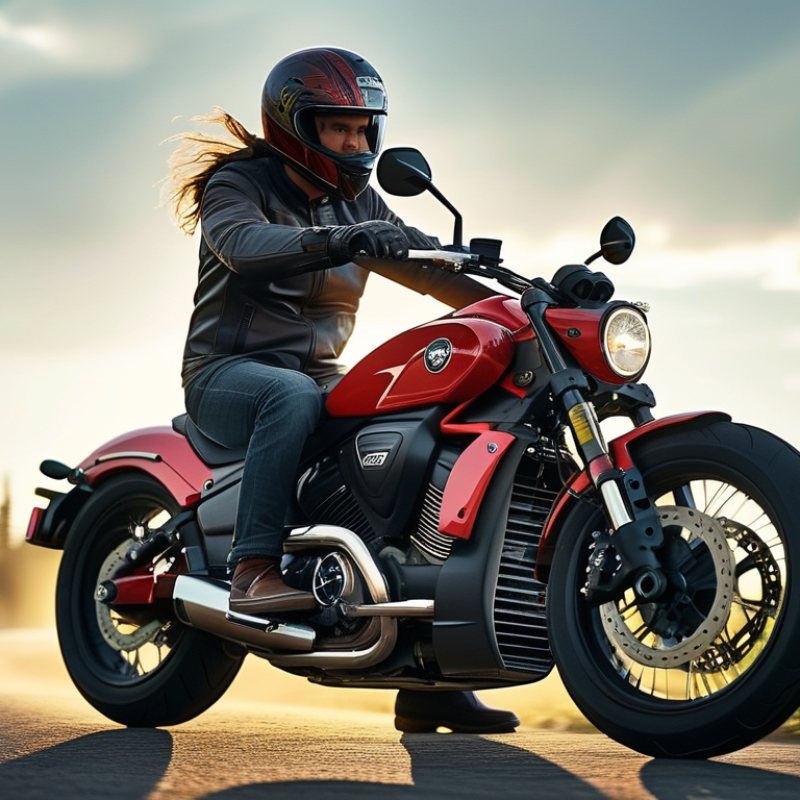
Factors to Consider When Choosing an Adult Motor Bike
Choosing the right adult motor bike requires thoughtful consideration of various factors. First, your riding experience matters a lot. Are you a beginner or an experienced rider?
Beginners may prefer lighter bikes that are easier to handle. They often have lower seat heights, which provide better stability and comfort. Experienced riders might opt for more powerful models. Finding a balance between power and control is crucial.
Next, consider your main purpose for the bike. Will you use it for daily commuting, off-road adventures, or touring? Each type of riding demands different features. Commuters might need bikes with good fuel efficiency and storage options. Off-road enthusiasts often look for durability and larger tires. Touring bikes should offer comfort for long rides, with adjustable seating and wind protection.
Don’t ignore the bike’s weight and size. A heavier bike may provide more stability, but it could be challenging for some riders to maneuver. Test rides can reveal a lot about handling and comfort. Pay attention to any discomfort or awkwardness during your ride.
Reflect on your own preferences and needs, and don’t hesitate to adjust your choices along the way.
Types of Adult Motor Bikes and Their Suitable Uses
When selecting an adult motor bike, understanding the types available is crucial. Generally, there are three main categories:
touring bikes,
sport bikes, and
cruisers.
Touring bikes, often equipped with comfortable seating and luggage options, excel for long-distance travel. According to the
Motorcycle Industry Council, over
30% of riders prioritize comfort for extended journeys.
Sport bikes favor speed and agility. They are lightweight, built for performance, and ideal for adrenaline seekers.
However, they may not be suitable for everyday riding, as their ergonomic design can lead to discomfort during long trips.
Research indicates that sport bikes have seen a
15% increase in sales over the last two years, reflecting a growing appeal among younger riders.
Cruisers, with their low seat height and relaxed riding posture, are popular for city commuting.
They offer a blend of comfort and style. Yet, they might lack the versatility of the other types.
A reflection on personal needs is essential. Do you seek speed or comfort? Assess your priorities before making a choice.
Each bike type has its strengths and weaknesses, demanding a thoughtful approach.
Understanding Your Riding Style and Experience Level
When choosing an adult motor bike, understanding your riding style and experience level is crucial. Each rider has unique preferences, which can greatly influence the type of bike that suits them best. A beginner may prefer a lighter, more manageable bike. In contrast, an experienced rider might seek a more powerful machine, capable of handling tougher terrains.
Tips for beginners: Start with a bike that offers good stability. Look for low seat heights and easy controls. This way, you can build confidence as you learn. Don't rush into high-performance bikes; they may overwhelm you.
If you've been riding for some time, consider what thrills you. Do you enjoy long-distance cruising, or do you prefer twisty country roads? Your answers will guide you toward features that matter most. For instance, if speed excites you, focus on bikes with agile frames and robust engines. However, be mindful of your limits. It’s essential to stay open to improvement, regardless of your skill level. Practicing on different terrains can reveal strengths and weaknesses in your riding.
Ultimately, align your choice with how you envision your riding experiences. Evaluating your needs helps ensure you make a satisfying decision. Reflecting on past rides can also provide insight, enabling you to choose a bike that enhances your skills.
How to Choose the Best Adult Motor Bike for Your Needs? - Understanding Your Riding Style and Experience Level
| Riding Style |
Experience Level |
Recommended Bike Type |
Engine Size (cc) |
Weight (lbs) |
| Commuting |
Beginner |
Naked/Standard |
250 - 500 |
300 |
| Cruising |
Intermediate |
Cruiser |
600 - 800 |
500 |
| Sport Riding |
Advanced |
Sportbike |
750 - 1000 |
400 |
| Off-Road |
Beginner |
Dual-Sport |
250 - 650 |
350 |
| Adventure Riding |
Intermediate to Advanced |
Adventure/Touring |
800 - 1200 |
500 |
Assessing Comfort and Ergonomics in Motor Bike Design
When choosing an adult motor bike, comfort and ergonomics should be top priorities. You will be spending long hours on this machine. If the design doesn’t fit your body, it can lead to discomfort. Pay attention to seat padding and height. A well-padded seat can make a ride enjoyable. However, not all seats may feel good for every individual.
Consider the handlebar position. It should allow for a natural arm position. If it feels too high or too low, adjustability is a plus. Poor ergonomics can lead to fatigue quickly. Try a few different bikes to see which feels best. Don't rush into a decision. Take your time to assess how each design impacts your comfort.
**Tips:** Always test ride before buying. This lets you feel the bike first-hand. Also, consider adding accessories for extra support. Many riders overlook this factor. A backrest or customized seat can enhance ergonomics greatly. Lastly, remember that everyone’s ideal bike varies. Reflecting on your own needs will guide you to the right choice.
How to Choose the Best Adult Motor Bike for Your Needs? - Assessing Comfort and Ergonomics in Motor Bike Design
Budgeting for Purchase and Maintenance of Your Motor Bike
Budgeting for a motor bike involves careful planning. Consider your initial purchase price, which can vary significantly. Beyond this, maintenance costs are crucial. Regular servicing ensures your bike runs smoothly. Set aside funds for repairs, tires, and fuel. These expenses can add up quickly.
Don’t forget insurance costs. It's a necessary expense that varies by location. Always compare coverage options and premiums. Allocate this into your budget from the start. Unexpected repairs can strain finances. Having a cushion helps relieve stress.
Consider safety gear as well. A good helmet, gloves, and protective clothing are essential. These items vary in price, reflecting their quality. Be mindful that safety should never be compromised for cost. A wise choice can save you money and health in the long run. Reflect on your spending and adjust as needed. Balancing quality and budget requires thought.
FAQS
: Beginners should look for lighter bikes with lower seat heights for better stability. Comfort is key for new riders.
Your main purpose—commuting, off-roading, or touring—determines features needed, like fuel efficiency or durability.
Heavier bikes can offer stability but may be hard to maneuver. Comfort and handling should be tested during rides.
The three categories are touring bikes, sport bikes, and cruisers. Each serves different riding needs.
Touring bikes excel in comfort for long rides and have features like adjustable seating and luggage options.
Sport bikes focus on speed and agility, appealing to those who seek performance and thrill on the road.
Cruisers have low seat heights and relaxed postures, making them great for city commuting and stylish riding.
No, sport bikes can be uncomfortable for long rides due to their ergonomic design and lightweight nature.
Test rides help assess comfort and handling. Pay attention to any discomfort during the ride for better decisions.
Riders should consider their own priorities—speed vs. comfort—and assess personal needs to make a thoughtful choice.
Conclusion
Choosing the right Adult Motor Bike involves several key considerations to ensure it meets your specific needs. First, evaluate the different types of bikes available, such as cruisers, sport bikes, and touring models, each designed for distinct riding styles and environments. Understanding your own riding style and experience level is crucial in narrowing down your options. Comfort and ergonomics also play a significant role, as the right fit can enhance your overall riding experience.
Additionally, budgeting for both the purchase and ongoing maintenance of your Adult Motor Bike is essential. This includes not only the initial cost but also expenses for insurance, gear, and regular upkeep. By carefully assessing these factors, you can make a well-informed decision that maximizes your enjoyment and safety on the road.

 Tengyue