Choosing the best Enduro Motorcycle can be challenging. The market offers a wide range of options. According to the Motorcycle Industry Council, the enduro segment has grown by over 15% in recent years. This growth reflects an increasing interest in off-road biking. Many riders seek adventure and thrill beyond traditional paved roads.
An ideal Enduro Motorcycle should match your riding style and terrain. Factors such as weight, power, and ergonomics play crucial roles. The best models weigh between 220 to 250 pounds, balancing power and maneuverability. Riders need to consider their experience level. A novice may struggle with overly powerful bikes.
Additionally, accessories and aftermarket support are vital. Brands like KTM and Honda lead in both performance and reliability. Riders should examine expert reviews and rider testimonials. In this evolving market, what suits one person may not suit another. Always reflect on your individual needs before making a choice.
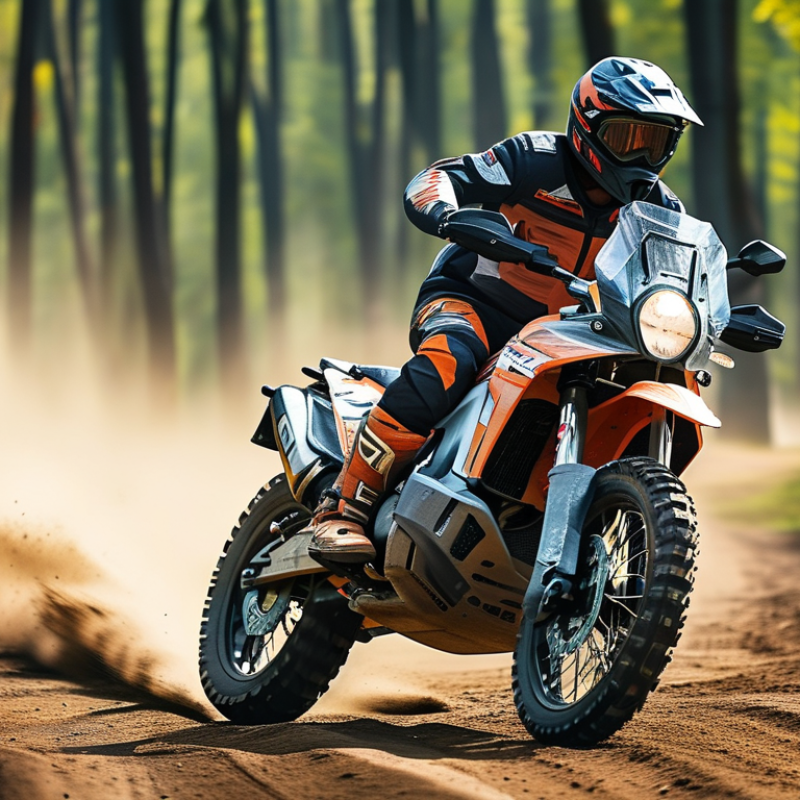
Understanding Your Riding Style and Needs
Choosing the right enduro motorcycle is often about personal preferences. Understanding your riding style is essential. Do you prefer tight trails or open terrain? Each type of ride demands different capabilities from your motorcycle. Riders focusing on technical sections need a bike that excels in handling and suspension. This may lead to a preference for lighter models.
Consider your skill level too. Beginners might struggle with powerful machines. It's crucial to find a balance between power and control. A more manageable bike can build confidence and skills over time. Each ride should feel engaging, not overwhelming. Ask yourself how often you ride and on what kinds of terrain. Your specific needs can change dramatically based on these factors.
Always reflect on how modifications can impact your experience. Perhaps a seat upgrade enhances comfort, but does it affect your control? Small adjustments can make a significant difference. Experimentation is part of the journey. Each ride teaches something new, whether about the bike or your own preferences. Keep an open mind and adapt to what feels right for you.
How to Choose the Best Enduro Motorcycle for Your Needs?
| Attribute |
Description |
Ideal for |
| Engine Size |
Typically ranges from 250cc to 450cc |
Beginners to experienced riders |
| Weight |
Lightweight options weigh around 220 lbs |
Easier handling for beginners |
| Suspension |
Long travel suspension is common |
Riders who tackle rough terrain |
| Seat Height |
Usually ranges from 32 to 37 inches |
Varies based on rider height |
| Fuel Capacity |
Typically ranges from 2 to 3.5 gallons |
Long-distance riders |
Key Features to Look for in an Enduro Motorcycle
When selecting an enduro motorcycle, several key features should be prioritized. First, consider the engine displacement. Most enduro bikes have engines ranging from 250cc to 500cc. A study from the Motorcycle Industry Council indicates that riders often prefer a balance between power and weight. A lighter bike is easier to handle, especially in technical terrains.
Suspension quality is equally crucial. A good enduro motorcycle should offer adjustable suspension to suit different riding conditions. According to a report by Cycle World, advanced suspension systems can significantly enhance comfort and control. Riders should test the bike’s suspension for responsiveness and durability, especially if tackling rough trails.
Finally, pay attention to the bike's weight and ergonomics. The ideal enduro motorcycle should allow easy maneuvering. Many riders overlook how fit and comfort affect long rides. It's fascinating that around 40% of riders experience fatigue on unsuitable bikes, leading to decreased performance. Always assess how the bike feels under you before making a decision.
Key Features to Consider When Choosing an Enduro Motorcycle
Comparing Engine Types and Performance Specifications
When choosing an enduro motorcycle, engine type and performance specifications are crucial. The market offers two primary engine types: two-stroke and four-stroke. According to industry reports, two-stroke engines generally provide higher power-to-weight ratios, making them suitable for lighter, faster rides. Specifically, these engines can produce up to 30% more power than their four-stroke counterparts. However, they often require more frequent maintenance and produce higher emissions, which may impact their usability for some riders.
On the other hand, four-stroke engines offer more torque and fuel efficiency, appealing for longer rides. They are typically seen as more reliable over time, needing less frequent maintenance. Recent studies indicate that four-stroke engines can last up to 20% longer than two-stroke engines under comparable conditions. Yet, they can feel heavier, which may not suit all riding styles. Understanding these dynamics can greatly influence your riding experience.
Balancing performance, maintenance, and personal preference is vital. Every rider has unique requirements based on their experience and intended use. A thorough analysis of each engine type's strengths and weaknesses can guide you to the right decision. It’s crucial to consider not only the engine specifications but also how they align with your riding goals.
Evaluating Suspension Systems and Handling Capabilities
When evaluating enduro motorcycles, suspension systems and handling capabilities are crucial. The suspension system absorbs shocks and enhances comfort over rough terrain. A well-tuned system maintains tire contact, ensuring better control and stability. Softer suspension can improve traction on uneven surfaces, while a firmer setup offers better performance on smoother trails.
Understanding your riding style is essential. Some riders prefer soft suspension for a cushier ride, while others may choose a stiffer setup for a more responsive feel. Test different setups to find what suits you best. Consider factors like rider weight and the type of terrain you’ll encounter.
Handling capabilities also play a vital role. Look for lightweight frames and agile designs that facilitate quick turns. A motorcycle’s geometry affects cornering performance significantly. A wider handlebar can enhance control but may also impact stability at high speeds. Always reflect on your riding experiences to refine your choice. Riding with confidence requires a motorcycle that complements your skills and preferences.
Budget Considerations and Value for Your Investment
When selecting an enduro motorcycle, budget considerations play a crucial role. The market offers a range of options at varying price points. A lower-priced model may lack certain features but can still serve as a reliable entry-level choice. It's vital to evaluate the cost against performance capabilities. Sometimes, spending slightly more can lead to a model with better suspension or a stronger engine. The right investment can significantly enhance your riding experience.
Think about the long-term value. Maintenance costs, fuel efficiency, and resale value are essential factors. A bike that is cheap initially might lead to higher expenses down the line. Researching reviews from experienced riders can provide insight into a motorcycle's reliability. Look for models known for their durability. While aesthetic appeal is tempting, it shouldn't overshadow practical needs.
Understand your riding style and frequency. If you plan to ride often, investing in a higher quality bike may be wise. Lightweight models might be appealing due to their maneuverability. However, they often sacrifice power. Finding a balance between budget and quality can be challenging. Reflecting on your priorities and needs will guide you toward the best choice for your situation.
FAQS
: Look for engines between 250cc and 500cc. Balance power and weight is essential.
Quality suspension enhances comfort and control. Test it for responsiveness on rough terrain.
A lighter bike is easier to maneuver. Many riders underestimate this impact on performance.
Evaluate cost against performance. Sometimes, a modest increase in budget leads to better features.
Think about maintenance, fuel efficiency, and resale value. A cheaper bike might become more expensive later.
Frequent riders may benefit from investing in a quality model. Consider your comfort and fit.
Looks can be tempting, but don’t overlook practical needs. Prioritize reliability and performance instead.
Fatigue often comes from riding unsuitable bikes. Assess fit and comfort before deciding.
Yes, but they may lack advanced features. Research can help identify reliable options within your budget.
Reflect on your priorities and needs. Consider what features matter most for your riding experience.
Conclusion
Choosing the best Enduro Motorcycle involves a careful evaluation of various factors tailored to your personal riding style and needs. Understanding how you план to use the motorcycle—whether for competitive racing, casual trail riding, or long-distance adventures—will guide your decision. Key features to consider include the engine type and performance specifications, which significantly impact speed and efficiency, as well as suspension systems that affect handling and comfort on rugged terrain.
Moreover, comparing different suspension capabilities will help you assess how well the motorcycle can manage bumps and obstacles. It's also essential to factor in your budget, as higher quality components can lead to better performance and durability, ultimately providing greater value for your investment. By systematically analyzing these aspects, you can ensure that you choose an Enduro Motorcycle that perfectly aligns with your riding aspirations.

 Tengyue