Choosing an electric dirt bike as an adult is about more than chasing peak power. The right machine should feel balanced beneath you, respond predictably on loose ground, and suit the trails you actually ride. Derek Dorresteyn, an electric-motorcycle engineer and Alta Motors co-founder, helped bring high-performance electric bikes to off-road riders. A useful editorial paraphrase of the engineering mindset behind that work is: “Choose for the trails you ride, not the numbers you admire.” That is a buying principle, not a verbatim quotation.
Start with fit. Can you place a boot down comfortably? Does the bike feel manageable when you turn it around on a narrow track? Check seat height, overall weight, suspension adjustment, and throttle response—not just advertised power. Battery range varies with rider weight, terrain, speed, and temperature, so a steep, sandy loop may drain energy faster than a gentle practice trail. Plan around your real riding day.
Then examine charging time, battery removability, warranty terms, and nearby service support. Listen for practical details: how the controls feel through gloves, how easily you can load the bike, and whether the display stays readable in bright sunlight. Electric Dirtbikes can offer quiet operation and immediate torque, but neither feature makes every model right for every adult. A test ride matters. So does honest self-assessment. This guide will compare the factors that shape a confident choice, while acknowledging one imperfect truth: published specifications cannot fully predict how a bike will feel on your terrain.
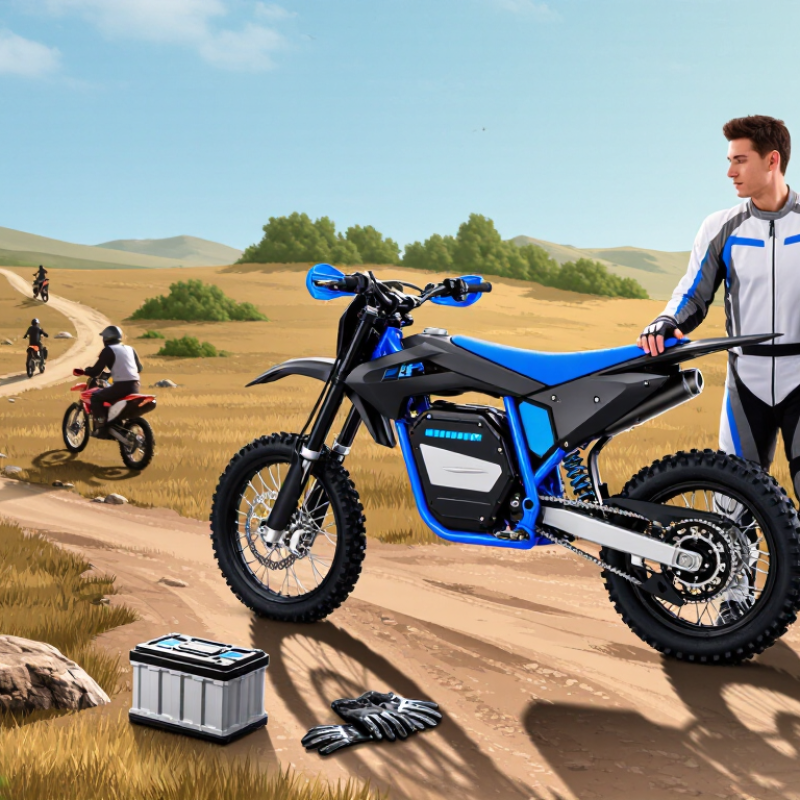
Before comparing power or suspension, picture where you will actually ride. A smooth, wide trail asks less from a bike than a rocky climb with loose gravel. Mud, roots, and repeated bumps also change what feels manageable. Be specific. “Off-road” is too broad to guide a good choice.
Think about your usual ride length, pace, and access to charging. A short practice loop near home may suit a lighter setup, while longer routes make battery capacity and dependable range more important. Remember that steep climbs, cold weather, rider weight, and soft ground can reduce real-world range. Spec sheets rarely capture every condition. That matters.
Fit the bike to your body and control, not just its advertised power. Check whether you can stand comfortably, reach the controls, and steady the bike at low speed. Consider tire grip, suspension travel, and ground clearance for your terrain. If possible, test ride on a surface similar to your regular route. A bike that feels exciting for five minutes may feel tiring after an hour. It is easy to overvalue peak power; I’d give equal attention to predictable handling and a comfortable riding position.
| Riding Need or Terrain | What to Prioritize | Useful Buying Checks | Main Trade-Off |
|---|---|---|---|
| General trail riding | Balanced power delivery, predictable handling, comfortable ergonomics, and a battery sized for the length of your usual rides. | Compare usable battery energy in kWh, claimed range conditions, suspension adjustability, and available ride modes. | A larger battery can extend ride time but usually adds weight and cost. |
| Rocky, technical, or slow-speed trails | Fine low-speed throttle control, strong brakes, adequate ground clearance, and suspension that can absorb repeated impacts. | Check suspension travel and adjustability, skid-plate protection, wheel and tire availability, and the bike’s ready-to-ride weight. | Long-travel suspension and protective parts can increase seat height and overall weight. |
| Sand, steep climbs, or open terrain | Strong sustained output, responsive torque, suitable tires, and enough battery capacity for demanding riding. | Look for clearly stated continuous and peak motor output; compare battery capacity and ask how range changes under hard use. | Deep sand, steep grades, and frequent acceleration can reduce range substantially compared with gentle trail riding. |
| Short rides and compact trails | Easy maneuverability, moderate weight, manageable seat height, and controllable power. | Check the fit with riding boots, turning clearance, low-speed ride settings, and whether the battery is removable for charging. | A smaller or lighter setup may offer less range or less stability at higher speeds. |
| Longer outings or remote routes | Higher usable battery capacity, realistic range planning, reliable charging options, and durable components. | Confirm battery capacity in kWh, charge time, charger requirements, replacement-battery availability, and charging access along the route. | More battery capacity adds purchase cost and can make the bike heavier to transport. |
| First adult electric dirt bike | Manageable seat height and weight, smooth power modes, familiar controls, and a comfortable riding position. | Test the standing and seated fit if possible; verify that the bike’s power can be adjusted and that local trails permit electric dirt bikes. | A highly powerful bike may be less forgiving for a new rider, even if it offers more performance headroom. |
| Fit and wheel setup | A chassis and wheel size suited to the rider’s height, inseam, experience, and terrain. | Adult off-road bikes commonly use full-size wheel combinations such as 21-inch front and 18-inch rear, but sizes vary; check the manufacturer’s fit chart. | Larger wheels can roll over obstacles more easily, while smaller wheels may feel easier to manage for some riders. |
| Range expectations | Range estimates based on the rider’s actual pace, terrain, temperature, elevation, and load. | Treat advertised range as an estimate, not a guarantee. Ask whether it was measured at steady low speed or under typical off-road conditions. | Hard acceleration, steep climbs, soft ground, cold weather, and heavier loads can all shorten range. |
| Maintenance and ownership | Accessible service information, replaceable wear parts, battery support, and a charging setup suitable for home use. | Check brake-pad and tire availability, service procedures, battery warranty terms, charger voltage requirements, and transport needs. | Lower routine drivetrain maintenance does not eliminate tire, brake, suspension, or battery care. |
| Note: Specifications and range vary by model and test conditions. Compare continuous motor output separately from peak output, and use battery capacity in kWh alongside real-world range information when evaluating bikes. | |||
Match the bike to your actual routes. Smooth trails differ from rocky climbs, loose gravel, mud, and roots. “Off-road” alone is too vague.
Sit on it wearing riding boots. Check your knee bend, wrist comfort, and reach to the controls. You should feel steady at low speed. Fit matters.
Not necessarily. You should still feel stable when stopping on uneven ground. A tall seat or wide frame can make handling awkward.
Predictable throttle response and adjustable ride modes may help. A short, supervised test ride can reveal whether slow turns and stops feel manageable.
Steep, loose climbs may need stronger sustained output. Peak power alone can mislead; rider weight, tires, and soft ground also affect performance.
Treat them as guides, not promises. Repeated climbs, cold weather, rider weight, and soft trails can reduce real-world range. Leave a buffer.
Compare battery capacity and charger output. Confirm charging time in the manual, and allow extra time if the battery needs to cool.
It may offer more range, but added weight can make the bike feel less nimble. I still tend to overtrust range figures; a short ride proves little.
Choosing the best Electric Dirtbikes for adults starts with understanding where and how you plan to ride. Consider whether your routes are smooth trails, rocky paths, or steep terrain, then look for a bike suited to those conditions. Your height, weight, riding experience, and preferred riding position also matter; a comfortable fit and manageable controls can make rides safer and more enjoyable.
Compare motor power with the battery range you need, and check how long recharging takes between rides. Evaluate suspension, brakes, tire grip, and practical safety features for the terrain you expect to encounter. Finally, look beyond the purchase price: include routine maintenance, replacement parts, and charging costs in your budget. Before riding, confirm that your chosen locations allow this type of bike and follow the rules that apply there. Balancing these factors will help you choose a dependable option that matches your needs and riding style.

 Tengyue