Choosing the right Off Road Motorcycle can seem overwhelming. The options are vast, with models designed for different terrains and riding styles. According to a report by the Motorcycle Industry Council, off-road motorcycle sales have increased by 15% in recent years, indicating a growing interest among riders.
Understanding your specific needs is essential. Off road motorcycles vary in weight, engine size, and suspension features. For example, lighter models are better suited for beginners and tight trails, while heavier bikes offer stability for advanced riders on rough terrains. Many riders overlook these details, leading to mismatched choices that can affect their experience.
The right motorcycle should reflect your experience level and riding environment. Professionals often suggest testing various models before purchasing. Additionally, consider long-term maintenance costs; some brands have better reputations for reliability than others. Reflecting on these factors will improve your chances of choosing the best Off Road Motorcycle for your adventures.
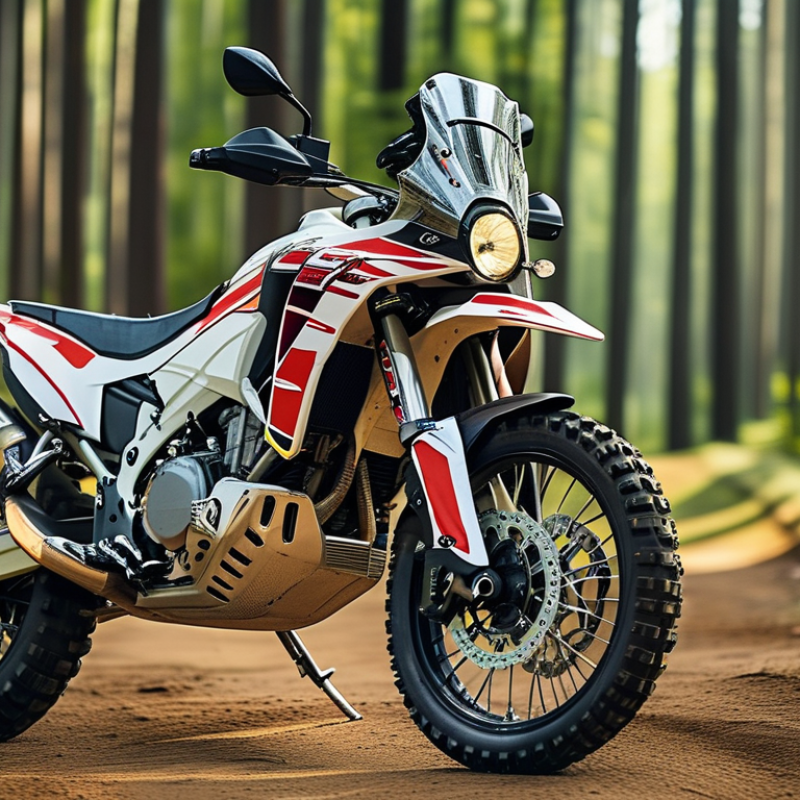
When choosing an off-road motorcycle, understanding your riding style is essential. Off-road riding can vary significantly. Some riders prefer rocky trails, while others enjoy soft, sandy terrains. Identifying your preferences will help narrow down your options.
Think about the challenges you want to tackle. Do you thrive on steep hills? Or are sandy beaches more your style? This decision will guide you in selecting the right bike. Riders may find that a lighter motorcycle offers better maneuverability in challenging situations. Conversely, heavier models provide stability on tough tracks.
Tips for selecting your bike: Consider the seat height based on your height. If you're not comfortable, it could be a challenge during rides. Don't overlook maintenance—some bikes require more upkeep than others. Lastly, test different models if possible. Feel the response and comfort level to find what suits you best. This process may bring forth reflections on your abilities and preferences in riding. Embrace those imperfections—it’s part of the journey.
| Motorcycle Type | Engine Displacement | Weight | Suspension Type | Skill Level |
|---|---|---|---|---|
| Enduro | 250cc - 450cc | 230 lbs - 250 lbs | Long-travel | Intermediate to Advanced |
| Dual Sport | 250cc - 650cc | 300 lbs - 400 lbs | Dual-purpose | Beginner to Intermediate |
| Motocross | 125cc - 500cc | 200 lbs - 230 lbs | Race-tuned | Advanced |
| Trail | 125cc - 400cc | 180 lbs - 250 lbs | Soft or Medium | Beginner to Intermediate |
| Adventure (ADV) | 800cc - 1200cc | 400 lbs - 600 lbs | Long-travel | All Levels |
When choosing the best off-road motorcycle, several key features demand careful consideration. First, evaluate the engine size. A larger engine offers more power but may be difficult for beginners. Smaller engines are lighter and easier to handle, making them ideal for less experienced riders.
Suspension quality is vital. Look for adjustable suspensions that can accommodate various terrains. A good suspension can smooth out rough trails, but it may require frequent adjustments. Tire type is another crucial element. Knobby tires provide better grip on loose surfaces but wear faster on pavement. Balancing tire choice with intended use can be challenging.
Finally, consider weight and ergonomics. Lighter bikes are easier to maneuver but may sacrifice stability. Riders should test different models to find a comfortable fit. The perfect motorcycle does not exist; each choice presents trade-offs. Reflecting on personal riding goals will guide you toward the right decision.
Choosing the right engine size is critical for off-road motorcycles. A larger engine typically offers more power and torque. This can be beneficial when tackling steep inclines or rough terrains. However, it also adds weight. A heavier bike can be harder to maneuver. According to a report by the Motorcycle Industry Council, riders should consider their skill level and purpose when selecting an engine size.
For instance, beginners often thrive with mid-size engines, around 250cc. These bikes offer manageable power without being overwhelming. Experienced riders might opt for engines ranging from 400cc to 800cc for tougher trails. The International Motorcycling Federation notes that engine size affects handling and stability. An engine that feels too powerful can lead to unsafe situations. Riders need to practice their skills and gain confidence.
Performance isn’t dictated by engine size alone. Suspension quality also play a vital role. Good suspension helps absorb shocks and improve traction. Riders often overlook this aspect, but it impacts overall performance significantly. The relationship between engine size, weight, and suspension is complex. Striking the right balance requires careful consideration. Each rider's journey is unique, and finding the perfect fit takes time and experience.
When it comes to off-road motorcycles, suspension and handling are critical. A well-designed suspension system can significantly enhance performance on rough terrain. Research indicates that over 70% of off-road riders prioritize suspension quality as a key factor when selecting a motorcycle. Factors such as type of terrain and riding style further influence this choice.
It’s essential to assess both the front and rear suspension setups. Many modern motorcycles use adjustable forks, allowing riders to fine-tune compression and rebound settings. A report from the Motorcycle Industry Council highlights that 55% of off-road riders prefer customizable settings for varied conditions. However, not every rider adjusts their suspension. Some overlook this, which can lead to suboptimal performance on challenging trails.
Handling is equally important. A motorcycle with a well-balanced center of gravity improves stability and maneuverability. The right tire setup also contributes to better handling. Interestingly, studies show that riders who experiment with tire pressure see improved traction and control. Still, many remain hesitant to make these adjustments. They often find it challenging to balance comfort with performance. This ongoing experimentation is crucial for finding the right fit for individual needs.
When budgeting for your off-road motorcycle, consider both initial purchase and ongoing maintenance costs. Entry-level models can start around $5,000, whereas high-performance bikes may exceed $12,000. According to a report by the Motorcycle Industry Council, the average annual cost for maintenance is about $400. This figure can rise with age and frequent use.
Owning an off-road motorcycle also requires factoring in insurance, gear, and unexpected repairs. Many riders overlook these expenses. It's important to set aside a budget for proper protective gear. This can range from $300 to $1,000 depending on quality. The investment in safety should never be underestimated.
**Tip:** Create a spreadsheet to track all motorcycle-related expenses. Review it monthly to stay on budget. When researching repair costs, consult forums and local mechanics for insights. Another consideration is potential upgrades; they can improve performance but also add to your costs. Regular maintenance can prevent larger issues down the road, protecting your investment.
: Beginners often do well with mid-size engines around 250cc. They offer manageable power.
Larger engines provide more power but can lead to handling issues. Weight affects maneuverability.
Good suspension absorbs shocks and enhances traction. It's critical for performance on rough terrain.
Adjusting tire pressure can improve traction and control. Experimentation can yield better handling.
Customizable settings allow riders to fine-tune for various conditions. Many riders overlook this option.
Many riders find adjustments complex or uncomfortable. Suboptimal performance might result from this hesitation.
Yes, experienced riders often choose engines from 400cc to 800cc for challenging trails. It requires confidence.
Riders' skill levels dictate their preference for power. Understanding their needs is crucial for safety.
Riders often struggle to find the right balance. Personal preferences play a major role in this journey.
No, finding the perfect fit takes time and experience. Every rider's journey is unique and evolving.
When choosing the best off-road motorcycle for your needs, it's important to first understand your riding style and preferences. Different riders may prioritize agility, speed, or comfort, which will influence the type of motorcycle that best suits their adventures. Key features to consider include the bike's weight, tire type, and braking system, all of which play crucial roles in off-road performance.
Additionally, evaluating engine size and performance is vital for tackling various terrains. A well-suited suspension system is equally important, as it affects handling and stability on rough surfaces. Lastly, budgeting for the purchase and ongoing maintenance of your off-road motorcycle is essential to ensure a worthwhile investment. By considering these factors, you can find the perfect motorcycle to enhance your off-road riding experiences.

Tengyue