Electric Dirt Bike demand is expanding as riders seek quieter, lighter, and more adaptable off-road machines. Market reports support this direction, although their definitions differ. Grand View Research tracks strong growth across the global electric motorcycle market. Mordor Intelligence also forecasts continued expansion through this decade. These figures include scooters and commuter motorcycles, not only dirt bikes. That distinction matters.
Wholesale buyers need more than attractive product photos. They should examine battery chemistry, motor wattage, peak torque, suspension travel, braking systems, and controller protection. A 72V battery may look impressive, but usable range depends on rider weight, terrain, temperature, and riding speed. Small details decide customer satisfaction. Often, they are ignored.
Testing evidence should come from manufacturers, independent laboratories, and recognized certification records. Reports such as the IEA Global EV Outlook 2024 highlight battery costs, charging development, and electric mobility adoption as important market factors. However, off-road use creates harsher conditions than city riding. Mud enters connectors. Impacts loosen fasteners. Heat reduces battery performance. Buyers should request IP ratings, battery test documentation, warranty terms, spare-parts availability, and realistic minimum order quantities.
The best China Electric Dirt Bike manufacturers usually provide factory audits, sample testing, consistent quality control, and transparent communication. Lead time claims should be checked against production records. A low unit price can become expensive after returns, missing parts, or delayed shipments. No supplier list is perfect. Product specifications can change, and published market data is not fully consistent. Therefore, this guide compares manufacturers through evidence, practical sourcing requirements, and long-term wholesale value rather than marketing language alone.
Types of Electric Dirt Bikes for Wholesale Buyers
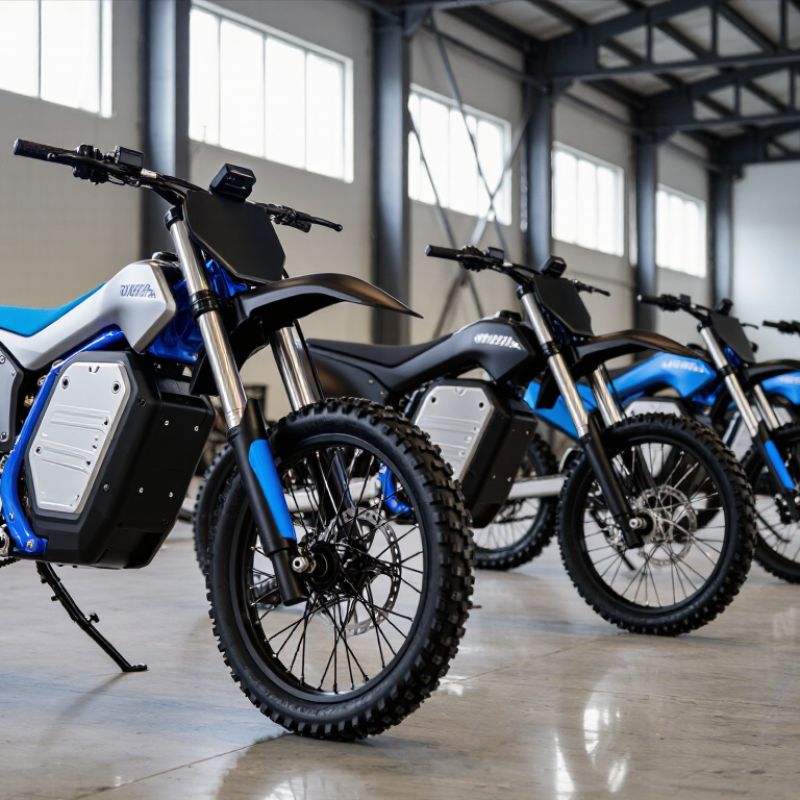
Wholesale buyers should match electric dirt bike types to rider age, terrain, and expected usage. Youth models usually feature lower seats, softer power delivery, and smaller wheels. They suit training areas and controlled private tracks. Full-size trail bikes offer stronger motors, longer suspension travel, and larger battery packs. They perform better on uneven paths, loose soil, and steep sections. However, higher power can increase weight, charging time, and maintenance demands.
Utility-style electric dirt bikes focus on torque and durability rather than maximum speed. They may include reinforced frames, wider footrests, and practical cargo options. Lightweight models are easier to handle in rental fleets, while high-capacity versions support longer trail sessions. Buyers should compare battery chemistry, charging cycles, brake performance, waterproof ratings, and replacement-part availability. A larger motor is not always better. In real sourcing work, oversized models can remain unsold when the local market prefers simple handling. Specifications can also look impressive but hide weak suspension or limited range.
Tips: Request sample units before placing a wholesale order. Test hill climbing, braking, charging time, and rider comfort. Check whether technical documents are complete and understandable. Confirm the intended off-road use and local compliance requirements. A supplier’s warranty process matters as much as the bike itself. Some details are easy to miss. Recheck them.
Key Criteria for Selecting a Chinese Electric Dirt Bike Manufacturer
China’s electric dirt bike market is expanding, but wholesale buyers need more than attractive catalogs. The IEA’s Global EV Outlook 2024 identifies electric two- and three-wheelers as the most electrified road transport segment. This demand makes factory selection more important, not easier. A capable Chinese manufacturer should provide traceable battery cells, documented motor specifications, and repeatable quality checks.
Audit the factory before negotiating volume. Check welding consistency, frame alignment, controller protection, and battery enclosure sealing. Ask for production records, failure-rate data, and sample test results. The China Electric Vehicle Industry Development Report 2024 highlights battery safety, intelligent manufacturing, and supply-chain reliability as major industry priorities. Those priorities should appear in actual documents, not only sales presentations. Request a pilot order. Inspect several units from different cartons.
Small details matter. Look at connector insulation, brake response, charger labeling, and replacement-part packaging. Confirm whether the factory can support firmware updates and warranty claims after delivery. Relevant market certifications should be verified independently, especially for batteries and chargers. A factory may offer a low price while quietly using inconsistent components. That risk is easy to underestimate. No scorecard is perfect. I would revise supplier ratings after field testing, because showroom performance can hide vibration, heat, and water-ingress problems. Clear communication also matters. Slow answers during sampling often become expensive delays during mass production.
Leading China-Based Electric Dirt Bike Manufacturers
China-based electric dirt bike manufacturers are attracting wholesale buyers through flexible production, battery engineering, and competitive factory pricing. Grand View Research estimates the global electric motorcycle market will expand at a double-digit annual rate through 2030. However, this category includes scooters and road motorcycles, so the figure should not be applied directly to off-road bikes.
Experienced sourcing teams inspect more than motor wattage. They verify frame welds, controller temperature limits, battery cell traceability, charger protection, and suspension performance on loose soil. The International Energy Agency reports that electric two-wheelers remain a major part of global electric mobility, especially across Asian markets. This supports long-term demand, but regional riding conditions still change the product choice. A bike designed for dry trails may struggle in wet forests.
Reliable China-based manufacturers should provide test records, production samples, spare-parts plans, and clear minimum order quantities. Buyers should also request battery transport documents and testing aligned with standards such as UN 38.3 and IEC 62133-2. A cheaper quotation can hide weaker connectors or limited warranty support. That mistake is common. I would compare at least three samples before signing a wholesale agreement. Even then, factory audits may miss performance problems after repeated jumps, heat exposure, and charging cycles. Supplier communication, inspection timing, and documented quality controls often matter as much as the advertised specifications.
Wholesale Pricing, Minimum Orders, and Customization Options
Wholesale buyers comparing China’s electric dirt bike manufacturers should examine landed cost, not factory price alone. Research and Markets reports that the global electric motorcycle market is projected to grow at a double-digit CAGR through 2030. However, many reports combine scooters, motorcycles, and off-road models. That category overlap can distort purchasing decisions.
Wholesale pricing often changes with battery capacity, motor output, suspension quality, and packaging. For entry-level orders, suppliers may quote minimum quantities of 10 to 50 units. Larger factories can offer better pricing near 100 units, but storage costs rise quickly. Request a written quotation with battery chemistry, charger specifications, spare-parts ratios, warranty terms, and delivery conditions. Small details matter.
Customization may include frame colors, decals, seat materials, firmware settings, cartons, and user manuals. Some suppliers accept low-volume visual changes, while battery or controller revisions usually require higher minimum orders. Allow time for sample testing. One sample is not enough. Test climbing performance, brake consistency, charging temperature, and vibration after repeated rides. The U.S. Department of Energy notes that lithium-ion battery costs have fallen substantially over the past decade, yet raw-material prices and shipping conditions still affect final quotes. A cheaper offer can become expensive after certification, inspection, tariffs, and replacement parts. Buyers should also verify destination-market safety requirements independently. Supplier documents are useful, but they are not proof of compliance.
Quality Control, Certifications, and Export Support
Wholesale buyers need more than a competitive price when sourcing electric dirt bikes from China. They need clear quality controls, valid certifications, and dependable export support.
A reliable factory should inspect frames, welds, battery housings, brakes, and motor connections during production. Inspectors can record torque readings and battery test results for each batch. Small details matter. A loose connector may cause delays after delivery. Final checks should include road simulation, charging tests, lighting, and packaging inspections. These records help buyers trace problems and improve future orders.
Certifications must match the actual model and destination market. Buyers should request current test reports, factory quality documents, and verification from recognized certification bodies. A certificate alone proves little. Its model number, testing scope, and validity period require careful review. Export teams should also understand customs paperwork, labeling rules, shipping limits, and destination requirements. Clear packing lists reduce confusion at the port. Strong support includes spare-parts planning, assembly instructions, and quick responses to technical questions.
In practice, no inspection system is flawless. A small packaging defect can still appear after a clean factory audit. Honest suppliers should report weak points instead of hiding them. That attitude builds trust. Buyers should keep independent samples, approve pre-shipment inspections, and compare received units with approved specifications. This extra discipline takes time, but it protects quality and long-term wholesale relationships.
FAQS
Check frame welds, controller heat limits, battery traceability, connectors, brakes, and suspension. Motor power alone can mislead buyers.
Test it on loose soil, slopes, wet ground, and repeated jumps. A dry-trail model may struggle in a wet forest.
Request cell traceability, charging records, transport documents, and relevant safety test reports. Verify the model number carefully.
Certifications should match the exact model and destination market. Review the testing scope, validity period, and issuing organization.
Ask for torque readings, battery test results, production samples, and final inspection records. Small details matter.
Inspect charging, brakes, lighting, packaging, motor connections, and simulated riding performance. A clean report is useful, but not perfect.
Compare at least three samples for suspension, connectors, battery behavior, and assembly consistency. One sample can hide repeated-production problems.
Strong support includes packing lists, shipping paperwork, assembly instructions, spare-parts plans, and quick technical replies. Communication can still fail sometimes.
Confirm minimum order quantities, warranty coverage, spare-parts availability, and response times in writing. A low quotation may hide weak support.
Conclusion
Choosing the right Electric Dirt Bike manufacturer in China requires more than comparing product prices. Wholesale buyers should first understand the available types, including compact youth models, full-size off-road bikes, high-performance versions, and utility-focused designs. Important selection criteria include motor power, battery capacity, riding range, frame durability, suspension performance, spare-parts availability, production experience, and communication efficiency. A dependable manufacturer should also offer stable production capacity, clear technical specifications, and flexible support for different market needs.
Wholesale buyers should carefully review pricing, minimum order quantities, sample policies, packaging, and customization options such as colors, logos, battery configurations, and accessories. Quality control is equally essential, covering incoming materials, assembly inspections, battery testing, road testing, and final product checks. Manufacturers with appropriate certifications and export experience can help simplify documentation, shipping coordination, warranty handling, and after-sales support. By evaluating these factors together, buyers can build a reliable supply chain and select products that balance performance, safety, cost, and long-term market value.

 Tengyue