Choosing an Electric Motocross Bike for global riding requires more than comparing peak horsepower. Buyers need practical evidence from tracks, workshops, and daily transport. Battery capacity matters, but usable range matters more. A powerful motor means little when charging access is limited.
This guide compares leading electric motocross models through measurable details and rider-focused experience. We examine weight, suspension adjustment, braking performance, power modes, charging time, and replacement-part support. We also consider local dealer networks, warranty clarity, software updates, and transport requirements. These factors can change ownership costs significantly. They can also affect race-day confidence. Stark Future CEO Anton Wass has described the company’s ambition as making “the best motocross bike in the world.” That statement sets a demanding benchmark for every manufacturer.
Real riding is rarely perfect. Mud reduces grip. Cold weather can limit battery performance. A fast bike may still feel unsuitable for a beginner. Some published specifications also use different testing conditions, making direct comparisons imperfect. That deserves attention. Therefore, the following overview separates manufacturer claims from independent testing and experienced rider feedback wherever possible. It is designed for international buyers who want clear comparisons, responsible expectations, and dependable questions to ask before purchasing. The best choice may not be the fastest model. It may be the bike with balanced handling, predictable power delivery, accessible service, and a battery system suited to the rider’s actual location. Heretically, convenience may matter more than speed.
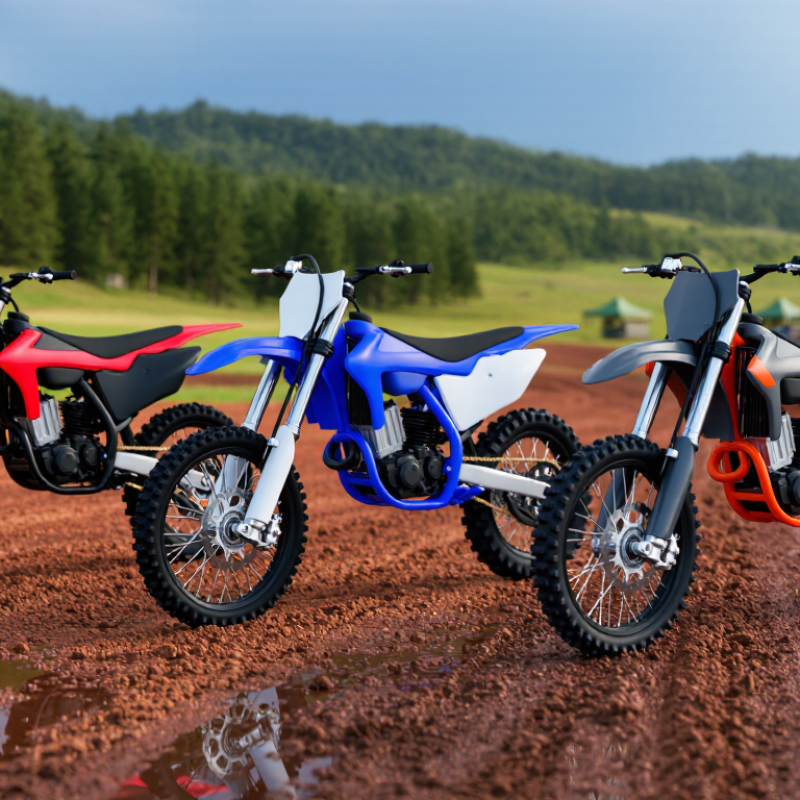
Electric motocross bikes are off-road motorcycles powered by rechargeable batteries and electric motors. They are built for closed tracks, practice areas, and private land where local rules permit riding. Unlike road motorcycles, they usually have long-travel suspension, strong spoke wheels, knobby tires, and compact bodywork. Their purpose is clear: deliver quick acceleration, controlled handling, and fewer mechanical distractions during riding.
The motor provides immediate torque, which helps riders leave corners smoothly and climb loose terrain. A quiet powertrain also makes it easier to hear tire grip, suspension movement, and nearby riders. That matters during training.
Key features include adjustable power modes, hydraulic disc brakes, battery protection, and a removable charging system. Some models use regenerative braking, but its effect can feel modest on a short track. The battery remains the central concern.
Global buyers should inspect battery capacity, charging time, replacement support, and compatible voltage systems. A useful test includes checking connectors, frame welds, chain alignment, and suspension leaks. Experienced riders should also measure real riding time, not rely only on laboratory range claims. Mud, cold weather, deep sand, and aggressive throttle use reduce endurance.
The compromise is real. A lighter battery improves handling but may shorten sessions. A larger battery adds weight, and I still find that trade-off difficult to judge without riding the same track twice. Local noise limits, transport rules, and charging access deserve equal attention.
Compare battery watt-hours with your usual riding time. A lighter rider on hard trails may travel farther. Deep sand, hills, jumps, cold weather, and soft tires consume more energy. Reserve 15–20% for the return trip. Range claims can be optimistic.
A household outlet may need several hours. A compatible higher-output charger can shorten the wait. Check voltage, connector type, cable length, and weather protection before purchase. Charge where you ride. Remote tracks may lack power. That detail is easy to miss.
The battery may become hot after repeated jumps or long climbs. Some systems reduce charging speed until it cools. Wait in a shaded, dry place when necessary. This feels inconvenient, but it supports battery health. Never charge a damaged or swollen battery.
Peak output helps with quick launches. Continuous output better reflects hills and long circuits. Strong torque can improve loose-terrain climbing. Too much wheelspin wastes energy and reduces control. Large numbers do not tell everything.
Look for adjustable riding modes and predictable throttle response. Hydraulic braking can improve control. Suspension settings should match your weight and riding surface. Test a short technical loop, then repeat it below half charge. The second test may reveal thermal limits.
Check battery certification, insulation, thermal protection, and emergency shutoff controls. Wear a certified helmet, boots, gloves, and chest protection. Practice on controlled terrain rather than public roads. Stop riding if the battery shows unusual heat, swelling, or chemical smells. Do not ignore warning signs.
Inspect chain tension, brake pads, spoke tightness, suspension seals, and fasteners. Clean and dry charging connectors. Mud and water can hide problems around brakes and suspension. I might skip one inspection after a tiring ride, but that is poor practice. Quiet does not mean maintenance-free.
Use a cool, dry storage area. Keeping the battery around 30% to 60% charge is generally suitable. Avoid extreme temperatures and moisture. Follow the supplied charging instructions. Shortcuts can become expensive.
Requirements depend on the destination and vehicle classification. Road use may require lighting, reflectors, speed limits, registration, and conformity documents. Battery shipments may need test summaries, invoices, packing lists, tariff codes, and proper handling documents. Confirm requirements in writing before payment. A verbal promise is not enough.
An Electric Motocross Bike is an off-road motorcycle designed for motocross tracks, trail practice, training, and recreational riding. Unlike gas-powered models, it uses an electric motor and rechargeable battery, providing quiet operation, instant torque, smooth acceleration, and reduced routine maintenance. Riders should compare battery capacity, estimated range, charging time, motor output, speed control, suspension, frame design, and overall weight to match their riding style and local terrain. Performance can vary depending on rider weight, riding intensity, weather, and track conditions, so international buyers should choose specifications based on realistic usage rather than headline figures.
Common options include lightweight youth models, full-size competition-focused bikes, and versatile electric off-road motorcycles for practice or leisure. Buyers should also review braking systems, protective equipment, battery care, replacement-part availability, storage requirements, and service support. Before purchasing across borders, they should confirm local safety standards, noise requirements, vehicle classification, import documentation, customs procedures, and any registration or riding restrictions. A careful comparison of performance, ownership costs, after-sales support, and regional compliance can help buyers select a suitable and dependable Electric Motocross Bike.

 Tengyue