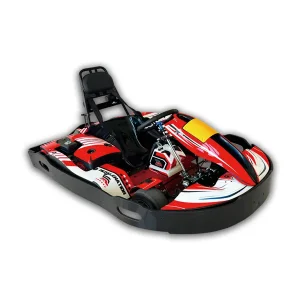
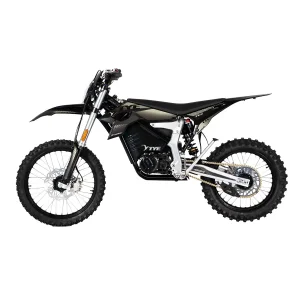
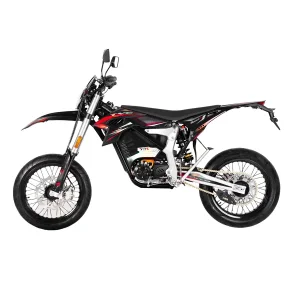
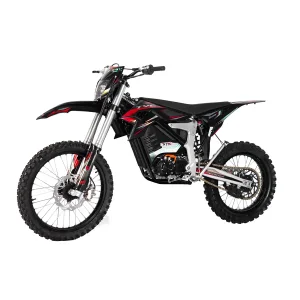
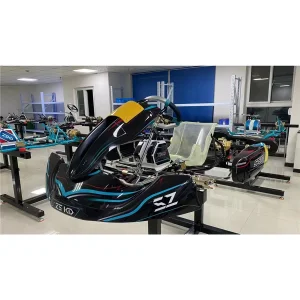
In the rapidly evolving landscape of micro-mobility, the transition from internal combustion engines to electric powertrains is no longer a trend—it is a global industrial mandate. As a leader in this space, Shandong Capriole Sports Equipment Co., Ltd. (operating under the global brand TYE) is redefining the boundaries of performance, sustainability, and technical innovation. This document explores the technological convergence that allows modern E-Dirt Bikes and Electric Go-Karts to outperform their fossil-fuel predecessors while maintaining a net-zero carbon trajectory.
Search engines like Google now prioritize content that provides "Information Gain"—unique insights not found elsewhere. In our manufacturing process, this translates to the integration of Smart BMS (Battery Management Systems), Kinetic Energy Recovery Systems (KERS), and Modular CNC Chassis Design. These are not just features; they are the result of rigorous R&D that addresses the "range anxiety" and "power-to-weight" challenges inherent in electric sports vehicles.
The global electric motorcycle market is projected to grow at a CAGR of 10.2% through 2030. This growth is driven by three pillars: governmental environmental policies, advancements in battery energy density, and the rising culture of silent, low-maintenance off-roading. Our factory in Shandong serves as a central hub for this revolution, combining China's vast supply chain efficiency with European safety standards (EEC/CE).
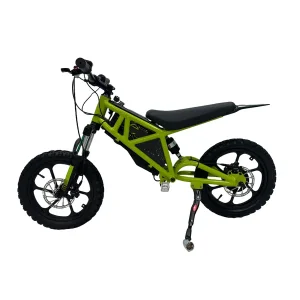
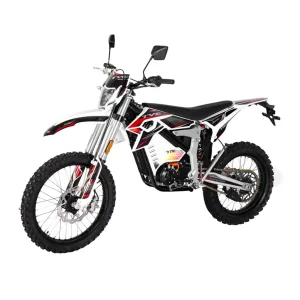
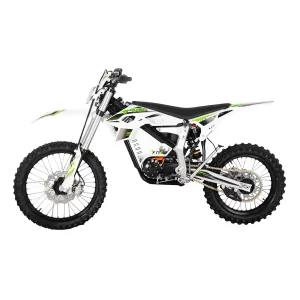
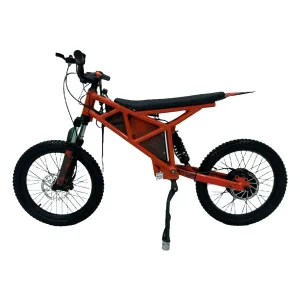
Shandong Capriole Sports Equipment Co., Ltd. is a professional manufacturer of Electric Motorcycles, E-Dirt Bikes, and Electric Go-Karts. Our brand, TYE, represents the pinnacle of electric sports engineering, featuring models like the TE3 (with gear transmission) and the TE5 (direct drive system). Our product ecosystem is meticulously designed to cater to various demographic segments—from children's sports enlightenment vehicles to high-torque professional racing machines for adults.
Our commitment goes beyond manufacturing; we design development paths for users, providing seamless product transitions as they move from entry-level riding to professional competitive racing.
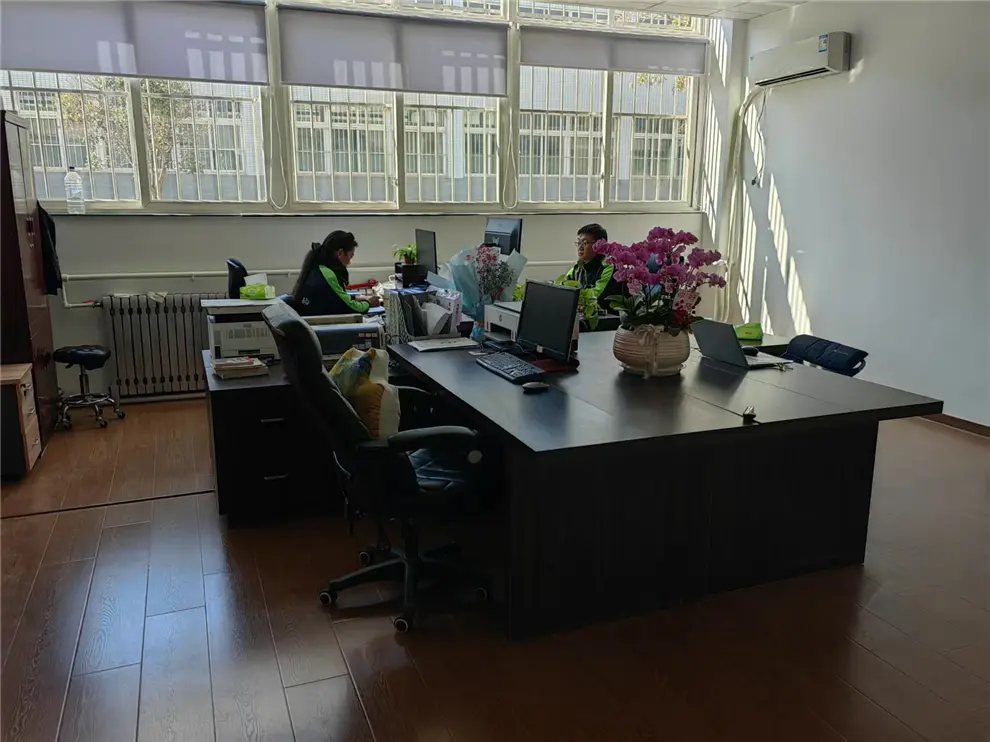
Factory Area (sqm)
Annual Production Units
National Patent Technologies
Global Safety Certifications
The roadmap for TYE’s technological evolution is centered on the integration of AI-driven diagnostics and high-performance power electronics. By 2026, we aim to transition 80% of our fleet to solid-state battery technology, significantly reducing charging times and increasing safety thresholds.
Mobile APP Battery & Controller Management, Fast Swap Battery Systems.
Integration of IoT-enabled fleet management for Go-Kart rental tracks.
AI-assisted suspension tuning based on real-time terrain feedback.
Solid-state battery implementation and V2G (Vehicle-to-Grid) compatibility.
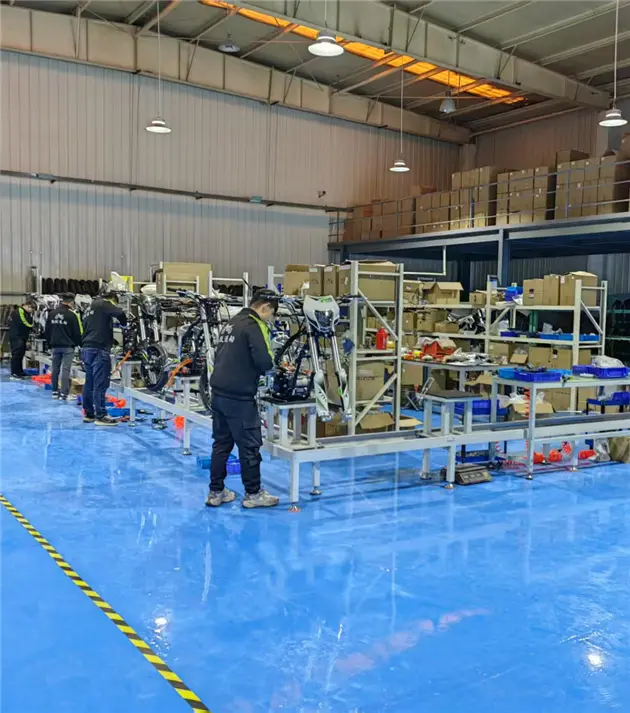
Located in Yantai City, Shandong Province, Capriole Sports leverages one of the world's most resilient industrial clusters. Our factory is positioned at the intersection of high-grade raw material sourcing and advanced logistics networks. This allows us to maintain a stable output of 5,000 units annually despite global market fluctuations.
Every vehicle undergoes a 4-stage quality assurance process: Main Frame Assembly, Assembly Line Calibration, Finished Product Dynamometer Testing, and Packaging Integrity Verification.
Designed for kids aged 5-12, our 500W-750W mini bikes provide a safe, speed-limited introduction to balance and throttle control.
Our CE-certified Go-Karts offer track owners a low-maintenance, high-turnover solution compared to traditional petrol karts.
Electric adventure bikes allow tour operators in protected national parks to offer excursions without noise or chemical pollution.
EEC-compliant street-legal dirt bikes serve as the perfect "last-mile" bridge for urban professionals in hilly terrains.
We understand that reliability is the cornerstone of trust. Our certifications are not just badges; they are commitments to rider safety.
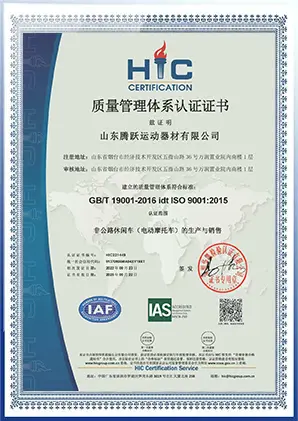
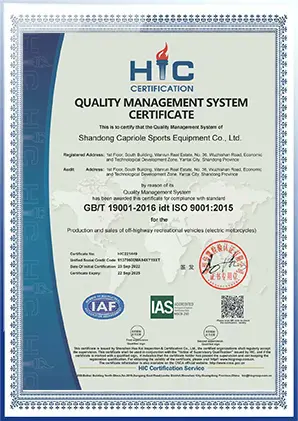
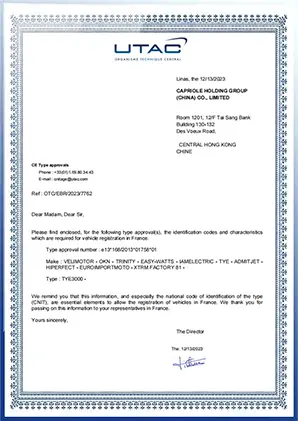
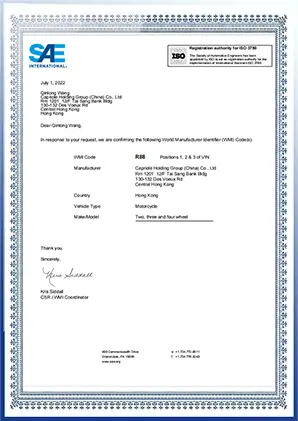
The company adopts international advanced testing equipment and methods to ensure that each product goes through multiple strict quality testing procedures before leaving the factory, and the quality standard is higher than the industry average.
 Tengyue